Remember those fruity, fizzy drinks from the 80s that everyone loved? The california cooler naturally sparked a huge trend before disappearing almost overnight. Now these refreshing wine-based beverages are making a surprising return as people seek lighter alternatives to heavy cocktails. Whether you’re curious about their wild rise and fall story or want to learn how to make your own delicious version at home, this guide reveals everything you need to know about one of America’s most interesting drink comebacks.
What is a California cooler and why is it making a comeback?
A California cooler is a fruit-flavored alcoholic beverage that combines wine with citrus and carbonation, packaged in distinctive glass bottles. This refreshing drink became the first product widely known as a « wine cooler » when it launched in the 1970s.
The comeback stems from several factors driving renewed interest. People are rediscovering these drinks as a lighter alternative to traditional cocktails. The nostalgia for 1980s culture plays a big role, bringing back memories of simpler times.
Craft beverage trends also fuel the revival. Home bartenders enjoy creating their own versions using fresh fruits and quality wines. The DIY approach appeals to those wanting control over ingredients and flavors.
The california cooler: origins, branding, and the 1980s boom
The story begins in 1976 when high school friends in Lodi, California decided to create something new. They raised $140,000 to start production of what they originally called Canada Cooler.
After redesigning the packaging and renaming it California Cooler, the brand took off like wildfire. The timing was perfect – Americans wanted something lighter than hard liquor but more interesting than plain wine.
By 1985, the brand was selling approximately 12.3 million cases annually. This success caught the attention of Brown-Forman Inc., the major liquor distributor behind Jack Daniels and Korbel Sparkling Wines.
The company sold to Brown-Forman in a deal worth up to $146 million. The rapid success story showed how quickly a simple idea could capture the American drinking scene when executed well.
Market shifts and the fall of early wine coolers
Big companies noticed California Cooler’s success and wanted their share. E&J Gallo launched Bartles & Jaymes with memorable advertising campaigns. Seagram’s also entered the market with aggressive pricing and distribution.
Competition became fierce as major players used their resources to grab market share. The original California Cooler brand struggled against these well-funded competitors with national reach.
The market collapse was dramatic. Wine cooler sales dropped by 98 percent between 1976 and 1987. California Cooler’s volume fell to about 5 million cases in 1987, less than one-third of what competitors were selling.
Consumer tastes also shifted during this period. The novelty wore off, and people moved on to other drink trends. The oversaturation of similar products confused buyers and diluted brand loyalty.
Today’s revival: why people are rediscovering the cooler concept
The revival connects to broader cultural trends reshaping how Americans drink. Craft beverages emphasize quality ingredients over mass production. People want to know what goes into their drinks and prefer natural flavors.
Nostalgia marketing brings back fond memories of the 1980s. Millennials and Gen X remember these drinks from their youth or heard stories from older family members. The retro appeal makes california cooler-style drinks feel both familiar and fresh.
Health consciousness plays a role too. Wine coolers typically have lower alcohol content than spirits-based cocktails. The fruit components add vitamins and antioxidants that appeal to wellness-focused consumers.
Social media amplifies the trend. Instagram-worthy drinks with colorful fruit garnishes photograph beautifully. Home bartenders share recipes and variations, creating communities around DIY beverage making.
We advise that the revival succeeds because it combines several appealing elements: nostalgia, customization, and the satisfaction of making something yourself rather than buying mass-produced alternatives.
A modern recipe concept: how to make a wine cooler at home
Making wine coolers at home lets you control quality and customize flavors. Start with good wine – nothing fancy, but avoid the cheapest options. Wines from regions like Lodi work well because they’re designed for blending.
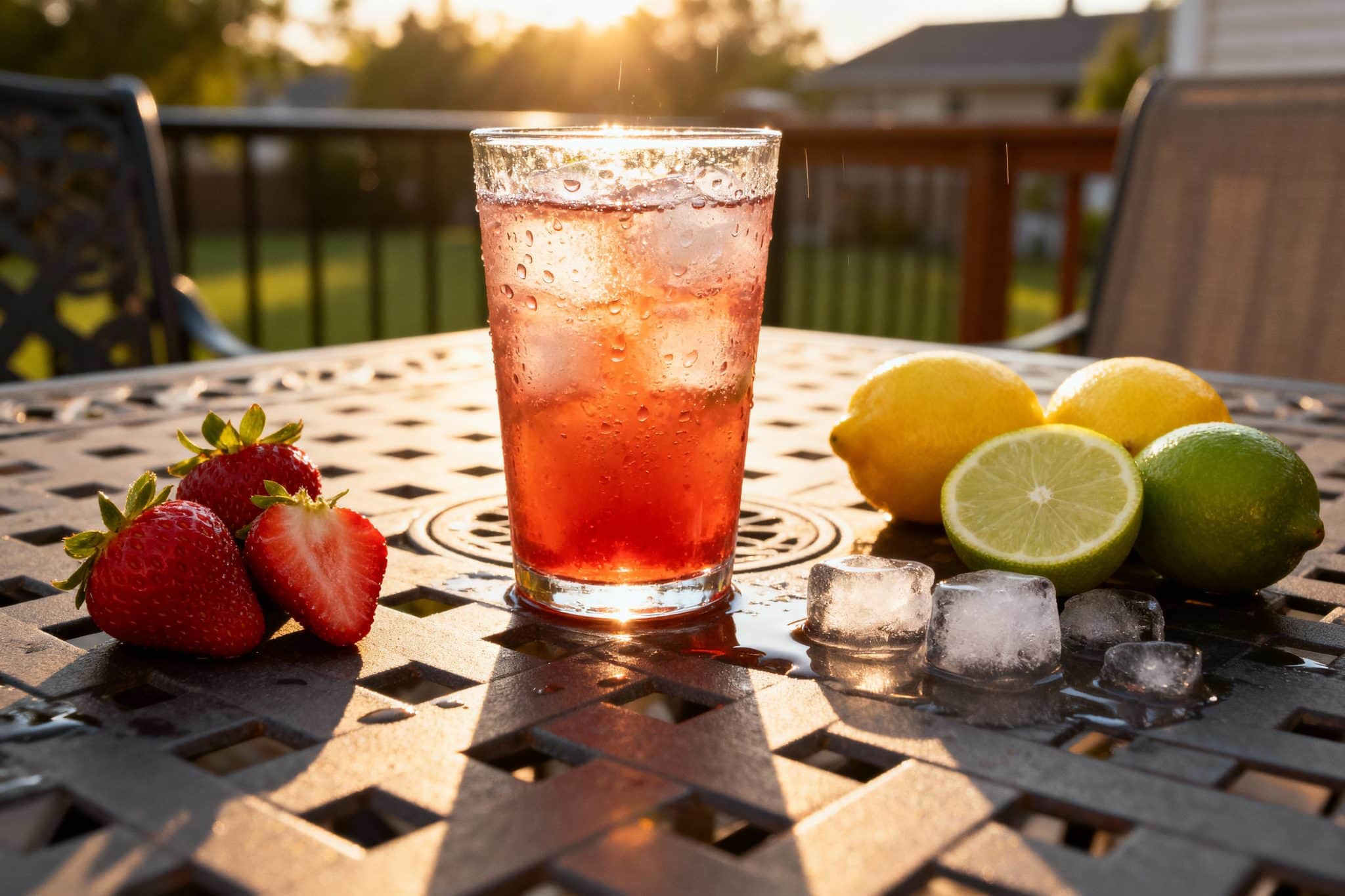
Fresh ingredients make all the difference. Seasonal fruits add natural sweetness and vibrant colors. The carbonation provides the signature fizz that makes these drinks so refreshing.
Ingredients
- 1 bottle (750ml) white wine, chilled
- 2 cups lemon-lime soda or ginger ale
- 1 cup fresh fruit juice (peach, berry, or citrus)
- 1/2 cup mixed fresh fruit, diced
- 2 tablespoons simple syrup (optional)
- Ice cubes
- Fresh mint sprigs for garnish
Step-by-step instructions
- Combine wine and fruit juice in a large pitcher
- Add diced fresh fruit and let steep for 15 minutes
- Taste and add simple syrup if you prefer sweeter drinks
- Just before serving, add the carbonated soda slowly
- Fill glasses with ice and pour the mixture over
- Garnish with fresh fruit pieces and mint sprigs
- Serve immediately while still fizzy
The key is balance – you want the wine flavor to come through while the fruit and carbonation add brightness. Experiment with different fruit combinations based on what’s in season. Berries work great in summer, while citrus shines in winter months.
Store any leftover mixture in the refrigerator, but add fresh carbonation when serving later. The flavors actually improve after a few hours as the fruit infuses more deeply into the wine base.
FAQ
Do they make California Coolers anymore?
California Coolers are not widely produced today, having lost popularity over the years. However, some craft beverage companies have begun to revive similar concepts, focusing on quality and fresh ingredients, catering to modern consumer preferences for lower-alcohol beverages.
What is a California cooler?
A California cooler is a fruit-flavored alcoholic beverage that combines wine with citrus and carbonation. Popularized in the 1970s, it was packaged in distinctive glass bottles and became the first widely recognized drink in the wine cooler category due to its refreshing taste.
Who bought the California cooler?
The California cooler was bought by Brown-Forman Inc. in 1985 for up to $146 million. This acquisition was part of a larger trend where big beverage companies sought to capitalize on the growing popularity of wine coolers during the 1980s drinking culture.
Why did they discontinue wine coolers?
Wine coolers were discontinued primarily due to market saturation and changing consumer tastes. After experiencing a rapid rise in popularity, sales plummeted by 98 percent between 1976 and 1987 as consumers shifted towards different drink trends and the novelty wore off.
How can I recreate a California cooler at home?
To recreate a California cooler at home, start with a bottle of chilled white wine, add fresh fruit juice, diced seasonal fruits, and a sparkling soda. Mix them together, serve over ice, and customize flavors to suit your preferences, ensuring a refreshing beverage.
What fruits are best for a California cooler?
For a California cooler, the best fruits include seasonal options like peaches, berries, and citrus. These fruits not only enhance the drink’s flavor but also provide vibrant colors and natural sweetness, perfect for creating a refreshing and visually appealing beverage.

Jack Mercer is a writer with a passion for American culture and everyday style. After spending years exploring the country’s hidden gems and fashion scenes, he found his voice sharing stories that celebrate the authentic spirit of modern America. When he’s not writing, you’ll find him hunting for vintage denim or enjoying a good bourbon on his front porch.