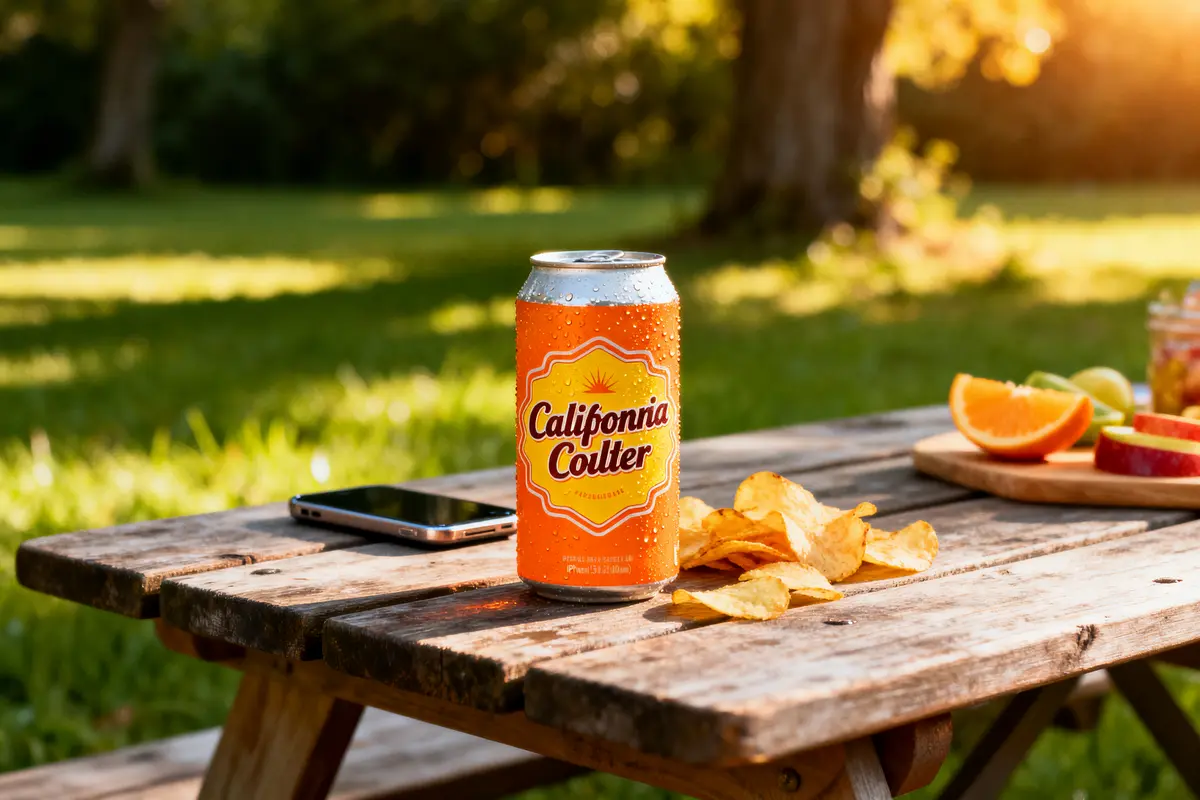
Before refrigerators became standard in American kitchens, clever homeowners found ways to keep food fresh using simple physics and smart design. The california cooler represents both an innovative beverage brand from the 1970s and a fascinating piece of home architecture that used natural airflow to chill food without electricity. These built-in cooling boxes appeared in many houses during the early 1900s, especially in regions with cooler climates where temperature differences could power ventilation naturally.
Quick Summary
- The California Cooler beverage brand launched in 1976 as a wine-based drink that revolutionized the cooler market, eventually selling for $146 million to Brown-Forman in 1985
- Vintage california cooler boxes used the stack effect—natural air circulation powered by temperature differences—to keep food fresh without electricity in early 20th-century homes
- These architectural cooling systems featured exterior vents with mesh screens that allowed airflow while blocking pests, working best in climates with cool nights
- Modern homeowners still use restored california coolers for storing vegetables, beverages, and foods that need cool but not cold temperatures, saving energy costs
- Restoration and preservation efforts keep these historical features functional, with growing interest in sustainable, natural cooling methods for contemporary homes
The Origins and Evolution of the california cooler
Early experiments and local beginnings in Lodi
The California Cooler brand started in 1976 when two high school friends from Lodi, California decided to create something special. Michael Crete and R. Stuart Bewley mixed local Lodi white wine with citrus and 7up in a simple formula that would change the beverage industry forever. Originally called Canada Cooler, they soon renamed it to reflect their California roots.
Production began on a tiny scale in an old barn where bottles were filled and capped by hand. The friends raised $140,000 to get their operation running, working with basic equipment and big dreams. Their wine-based mixture offered a refreshing taste that caught on quickly with local customers who loved the light, fruity flavor.
After proving successful locally, they moved production to nearby Stockton to handle growing demand. The 12 fl. oz. glass bottle package became the signature look, making it easy to spot on store shelves. This hands-on beginning in Lodi laid the foundation for what would become a beverage revolution across America.
Brand growth, the 1985 Brown-Forman sale, and market shifts
By 1985, California Cooler was selling approximately 12.3 million cases annually, generating $125 million in sales. The brand had grown from a backyard experiment into a national sensation, recognized as the first true wine cooler on the market. That same year, Brown-Forman Inc., the company behind Jack Daniel’s and Korbel wines, purchased the brand for up to $146 million.
Brown-Forman’s distribution network pushed California Cooler into stores nationwide. The brand enjoyed massive success for a short time, with the 2-liter bottle format joining the original size. But competition heated up fast when E&J Gallo Winery launched Bartles & Jaymes and Seagram entered the wine cooler market.
These rival brands flooded stores with aggressive marketing and pricing strategies. Sales for California Cooler declined sharply as consumers switched to newer options. The entire wine cooler category struggled, and the brand that started it all couldn’t maintain its early momentum against well-funded competitors.
Architectural and historical significance of vintage cold air boxes
How the stack effect powers california cooling boxes
Long before electric refrigerators became common, homes used natural cooling systems built right into their walls. The california cooler worked through a clever principle called the stack effect, which uses temperature differences to move air naturally. Warm air rises while cool air sinks, creating a continuous flow without any mechanical parts or electricity.
These cooling boxes were typically installed in kitchens along exterior walls, with openings that connected directly to the outside air. As warm air inside the house rose and escaped through top vents, cooler outside air was drawn in through lower openings. This created a natural chimney effect that kept the interior compartment consistently cooler than room temperature.
The system worked best in climates with cool nights and moderate days, making it perfect for many California regions. Homes built between the early 1900s and 1930s, especially Craftsman Bungalow styles, commonly featured these built-in coolers. They provided an effective alternative to iceboxes, which required regular ice deliveries and constant drainage.
Exterior vents, design choices, and airflow
The design of vintage cold air boxes focused on maximizing airflow while keeping pests out. Wooden slats covered with wire mesh allowed air to circulate freely while preventing insects and rodents from entering. The mesh-covered vents appeared at both top and bottom of the unit, ensuring continuous air movement through the storage space.
Exterior vents were carefully positioned to catch breezes and draw in the coolest available air. Many featured decorative metalwork that matched the home’s architectural style while serving a practical purpose. The interior typically included wooden shelves that allowed air to flow around stored items rather than blocking circulation.
Homeowners could adjust the cooling power by opening or closing small doors on the vents, controlling how much outside air entered the system. During warmer days, they might close vents partially to maintain stable temperatures. This simple but effective design kept perishables fresh for days without any energy cost or complex maintenance.
Author’s Note
« The natural cooling power of vintage california cooler boxes can still reduce energy bills today when properly restored and integrated with modern weatherstripping techniques. »
Practical uses and culinary possibilities
Modern homeowners with functioning vintage coolers discover surprising practical applications that complement their regular refrigerators. Root vegetables like potatoes, onions, and carrots store exceptionally well in these naturally cool spaces, often lasting weeks longer than in pantry storage. The consistent temperature and airflow prevent sprouting and maintain firmness better than room temperature storage.
Bottled beverages chill perfectly in a california cooler without taking up valuable refrigerator space. Wine, beer, and soft drinks reach pleasant drinking temperatures naturally, especially during cooler months. Some families use them for storing canned goods, dried fruits, or baking supplies that benefit from cool conditions but don’t require full refrigeration.
For entertaining, these coolers work wonderfully for chilling desserts, storing cheese platters, or keeping appetizers at ideal serving temperatures. Bakers appreciate having extra space for dough that needs slow, cool rising. The stable environment also suits homemade preserves, pickles, and fermented foods that need cool but not cold conditions during processing.
Many people rediscover the energy-saving benefits of natural cooling for items that don’t need electric refrigeration. This reduces electricity consumption while adding functional storage space to the kitchen. The coolers handle overflow during holidays when refrigerators are packed, providing reliable supplemental cooling without running up energy bills.
Preservation and restoration: keeping the legacy alive
Restoring a vintage california cooler requires careful attention to both form and function. Start by inspecting the wooden components for rot or damage, replacing any compromised boards with period-appropriate materials. The wire mesh screens often need replacement after decades of exposure, but finding similar gauge wire mesh at hardware stores is straightforward.
Cleaning the interior thoroughly removes years of accumulated dust and debris that can block airflow. Sand and refinish wooden surfaces to protect against moisture while maintaining the original character. Some restorers apply food-safe sealants to make cleaning easier and prevent odor absorption in the wood grain.
The exterior vents need special attention since they’re exposed to weather year-round. Check for rust on metal components, repainting or replacing as needed to prevent further deterioration. Weatherizing the access door with modern weatherstripping prevents unwanted drafts while maintaining the cooling benefit, balancing historical authenticity with practical comfort.
Many preservation enthusiasts document their california cooler restoration projects online, sharing techniques and sourcing tips for hard-to-find parts. Local historical societies sometimes offer guidance on maintaining period-appropriate appearances while improving functionality. The key is respecting the original craftsmanship while making the unit practical for current needs.
Modern revivals and the enduring charm
Interest in vintage california cooler designs has grown as homeowners seek sustainable, low-energy solutions for food storage. In 2007, Majestic Brands announced plans to revive the California Cooler beverage brand, recognizing the nostalgic value and cultural significance it holds. The announcement sparked conversations about both the drink and the architectural feature that shares its name.
Architects and designers now incorporate modern versions of natural cooling systems into new construction and renovation projects. These updated designs use the same stack effect principles but with improved insulation, better screening materials, and integrated pest control features. Some combine traditional passive cooling with small fans that enhance airflow without consuming much electricity.
The enduring appeal connects to broader trends in sustainable living and appreciation for traditional building methods. Homeowners value the tangible connection to history that a functioning vintage cooler provides, along with the practical benefits. Real user experiences highlight both nostalgic and functional value, with many noting the durable construction and attractive design that has survived decades.
These cooling boxes represent an era when homes worked with nature rather than against it, using climate and physics instead of fossil fuels. Their continued use and restoration keeps alive knowledge of natural food preservation and storage techniques that once were common sense. Whether as functional appliances or preserved architectural features, california coolers remind us that simple, elegant solutions often outlast complicated technology.
Frequently Asked Questions
Are California Coolers still made?
California Coolers are not currently mass-produced, though attempts to revive the brand have been made, such as in 2007 by Majestic Brands. The legacy of California Coolers remains a popular topic in discussions about nostalgic beverages, but their presence in stores is not significant today.
What is a California Cooler?
A California Cooler is a brand of alcoholic beverage that was originally invented in 1976 by Michael Crete and R. Stuart Bewley. This innovative product combined local white wine with fruit juices, creating the first commercially successful bottled wine cooler.
What is a California Cooler drink?
A California Cooler drink typically consists of dry white wine, fruit juices, and club soda, making it refreshing and light. Originally introduced as a sangria-style wine cooler, it remains associated with summer gatherings and casual outdoor events.
Why is California so much cooler than normal?
California’s cooler temperatures are often due to its geographical features, like coastal breezes and elevation variations. These climatic conditions result in a moderate climate compared to many areas, creating a pleasing environment for growing crops and enjoying outdoor activities.
Who invented California Cooler and what is its history?
California Cooler was invented by Michael Crete and R. Stuart Bewley in the late 1970s. The two friends mixed Lodi white wine with fruit juices and soda for beach gatherings. They later commercialized it in 1981 after raising funds, making it a popular wine cooler brand in the ’80s.
How do you make a classic California Cooler cocktail at home?
A classic California Cooler cocktail is made using a 4:4:2 ratio: 4 oz of dry white wine, 4 oz of lemon-lime or club soda, and 2 oz of liqueur. Stir over ice and garnish with fresh berries or citrus for a refreshing homemade drink.
What are modern variations of the California Cooler cocktail?
Modern variations of the California Cooler cocktail can include inventive ingredients, such as using Chareau Aloe Liqueur with gin and fresh juices. These twists showcase a blend of flavors that enhance the traditional concept while maintaining the cooling essence of the original drink.

Jack Mercer is a writer with a passion for American culture and everyday style. After spending years exploring the country’s hidden gems and fashion scenes, he found his voice sharing stories that celebrate the authentic spirit of modern America. When he’s not writing, you’ll find him hunting for vintage denim or enjoying a good bourbon on his front porch.