Key takeaways:
The retro playboy bunny costume solidified its iconic look by 1961 with essential features like the collar, bow tie, and cuffs, blending sexy glamour and professional polish. Its tailored corset bodysuit utilized steel boning and custom fits emphasizing an hourglass silhouette, influencing club uniforms and pop culture long-term. Licensing standards now uphold authentic materials and precise sizing to sustain the original’s vintage allure.
How can a costume from the 1960s maintain cultural relevance decades later? The retro Playboy Bunny has endured because its design merges glamour with practicality, reflecting evolving club culture and fashion trends within exclusive nightlife settings. Key components like corset construction and accessory details proved essential for an instantly recognizable yet functional outfit. Understanding these structural elements and historical sizing differences empowers enthusiasts to recreate the look while ensuring an elegant, comfortable fit.
The Retro Playboy Bunny Look: History and Evolution
The retro Playboy Bunny costume first emerged in the early 1960s, quickly becoming an iconic symbol of vintage glamour and playful sophistication. It was designed to capture the feminine charm and allure that matched the new Playboy club scene. The look was inspired by Hugh Hefner’s choice of a tuxedo-wearing rabbit mascot, which combined both whimsy and upscale style. Over time, the retro Bunny look evolved through slight modifications in design and materials, reflecting changing fashion trends while preserving its signature silhouette.
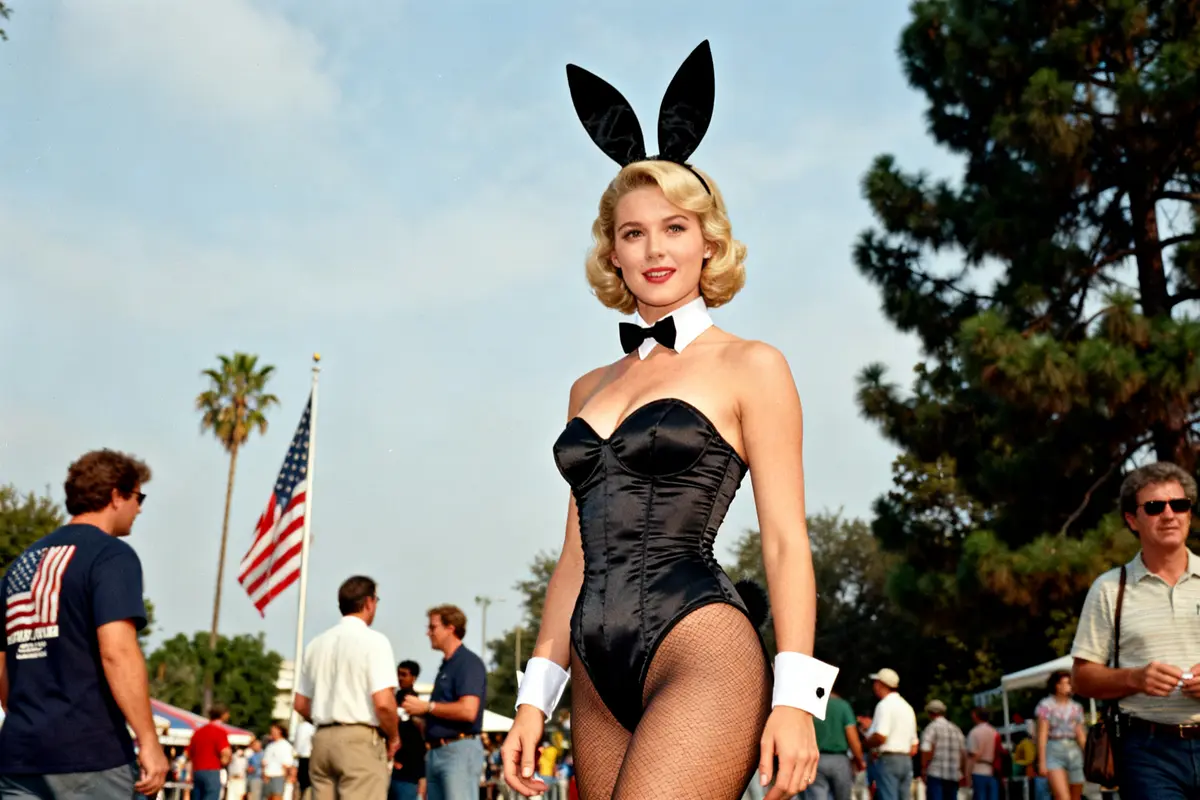
The original outfit distinguished itself by its bold mix of sex appeal and class, featuring a tailored corset bodysuit, matching ears, and accessories that would become classic markers of the Playboy brand. Early iterations featured a more structured, hourglass corset cut that emphasized curves in a distinctly vintage way. The costume’s popularity spread beyond clubs, influencing media and pop culture representations. Around 1961, key elements like the collar, bow tie, and cuffs became standard, solidifying the timeless retro aesthetic.
Anatomy of the Costume: Corset Bodysuit, Ears, Tail
Corset Boning and Structure
At the heart of the retro Playboy Bunny outfit lies the corset bodysuit, designed for a figure-flattering fit that combines elegance and formality with daring style. The corset employs steel boning for support and structure, giving the wearer a sculpted silhouette reminiscent of 1950s fashion but sharpened for the 1960s club environment. This boning is critical to maintaining the iconic hourglass shape and delivering the snug fit that defines the look.
The inside construction includes boning channels sewn into high-quality satin or satin-like blends, carefully arranged to distribute tension and prevent fabric distortion. Interestingly, this structural aspect was also a source of durability challenges during active shifts at clubs, as frequent movement risked seam stress or even popping bones. Vintage Bunnies often had to handle these issues with the help of on-site seamstresses. The garment’s corsetry principles remain a key design trait in modern reproductions, though materials are now more flexible and durable.
Ears, Tail, and Accessory Details
No retro Playboy Bunny outfit is complete without its signature ears and tail. The bunny ears are typically mounted on a covered headband shaped to stand upright, matching the costume’s fabric and color. The tail, originally crafted from yarn, was replaced by a soft, stuffed faux-fur pom-pom in the late 1960s to deliver a more polished look. Both ears and tails reflect the playful spirit of the ensemble and must coordinate with the overall costume to remain authentic.
Accessories such as the collar, bow tie, and cuffs complete the outfit with touches of formality. These pieces were usually made from crisp white cotton or polyester blends, starched for shape, and often embellished with decorative rabbit head cufflinks or a rosette name badge pinned to the hip. Each accessory was carefully maintained and, in vintage clubs, often taken home nightly by Bunnies to be cleaned and starched by themselves, underscoring the meticulous care required to uphold the ensemble’s appearance.
Colorways, Materials, and Fit Across Eras
The retro Playboy Bunny costume showed remarkable variation in colorways and materials across decades, reflecting evolving tastes and club customs. Classic hues such as black, red, navy, and pink dominated early designs, with seasonal and special event colors like green for St. Patrick’s Day and silver for “Bunny of the Year” awards. Some clubs added luxurious fabrics, including blue velvet for VIP rooms or lamé for prestige costumes.
Original costumes were often made from a polyester-spandex blend, typically a 60/40 ratio, providing a slight stretch while maintaining structure and sheen. Modern recreations may adjust these fabric compositions for better comfort and durability but strive to preserve the look and feel of vintage satin. Sizing back then did not follow today’s standards; costumes were often custom-fitted and ran smaller, emphasizing a narrow waist and snug fit that can be challenging to replicate for modern body types without tailor alterations.
The fit emphasized an exaggerated hourglass shape, achieved through corset boning and strategic patterning. While some colors became club badges of honor, the costumes’ core design remained consistent, with slight updates to length and fit to accommodate the shift from 1960s style to contemporary wearability.
Author’s Note
« The key to capturing the retro Playboy Bunny charm lies in balancing authentic structure with modern comfort—understanding the original boning and fit helps you recreate that flawless silhouette. »
The Legacy of the Retro Playboy Bunny Aesthetic
Hefner and Club Origins
The legacy of the retro Playboy Bunny outfit is tightly linked to Hugh Hefner’s vision for his exclusive clubs. When Hefner launched the first Playboy Club in Chicago in 1960, the bunny mascot was originally a playful symbol, but its transformation into a female costume was credited largely to Victor Lownes and his partner, who suggested adapting the tuxedo rabbit for waitresses. This strategic rebranding allowed the Bunny to become a symbol of both allure and refinement, setting the tone for entertainment and nightlife culture through the 1960s and beyond.
The costume’s development was also shaped by its prototype’s creator, a seamstress connected to the club community. Early versions lacked some signature details like collars and cuffs, but professional tailoring and Hefner’s input quickly refined the design. This costume was not only a uniform but a cultural icon, representing an era of freedom, style, and a playful challenge to social norms. The strictly enforced costume policies emphasized a polished, uniform look, contributing to the identity and exclusivity of the Playboy brand.
Costume Evolution in Clubs and Media
As the Playboy brand expanded globally, its Bunny costume evolved in tandem. Clubs from New York to London adopted regional variations while maintaining the core look. The costume’s color lottery system ensured diversity and club identity, with black often assigned to senior Bunnies and special colors for events. Media appearances further cemented the retro playboy bunny as a cultural icon, featuring in movies, television, and print advertising.
Yet despite its glamorous image, the costume brought physical demands. Vintage records cite average wear times of shifts lasting several hours under stifling conditions. The corset’s boning and tight fit sometimes caused discomfort and garment wear, especially with rigorous tray-carrying and the famous “Bunny Dip” serving move. Still, the outfit remained a coveted symbol of status, blending sex appeal with professional pride. These aspects are often overlooked but reveal the costumed Bunny’s resilience and professionalism behind the scenes.
Recreating the Look Today: Care, Licensing, and Modern Interpretations
Recreating the retro playboy bunny look today requires attention to both costume care and legal licensing, especially for official replicas. The original bodysuits demand delicate handling: hand washing cold with mild detergents and careful drying to avoid warping boning or sagging fabric. Ironing is discouraged due to heat risks on synthetic blends and structural elements. Preserving ears and tails means storing them carefully to maintain their shape and avoid fabric peeling or stiffness.
Licensed costumes must meet Playboy standards, reflecting authentic materials, colors, and accessories. Modern designers have introduced interpretations that prioritize comfort without compromising the signature silhouette. This often includes updated fabric blends like polyester-spandex with higher elastic percentages for stretch, seamless gussets, and adjustable lacing. The cuffs and collars now sometimes incorporate snap closures for easier use while maintaining their vintage appearance.
Whether used for cosplay, themed events, or photoshoots, the retro Playboy Bunny costume remains a potent symbol of mid-century style and playful elegance. For beginners or enthusiasts, sourcing vintage pieces means understanding historical sizing differences and potential need for alterations, while modern sets offer more accessible fits with authenticity intact.
🎯 Retro Playboy Bunny Costume Size Estimator
Estimate your best fit size for a retro Playboy Bunny corset bodysuit based on your bust, waist, and hip measurements.
FAQ: retro playboy bunny
Which old playboys are worth money?
Old Playboys from the first few decades, especially vintage issues from the 1950s and 1960s featuring iconic covers or rare prints, tend to be worth money. Condition, rarity, and notable cover models influence their value among collectors.
Who is the most famous Playboy Bunny of all time?
The most famous Playboy Bunny of all time is often considered to be Jenny McCarthy. She gained widespread recognition for her work as a Playboy Bunny and later became a well-known actress and TV personality.
Who were the three main Playboy bunnies?
The three main Playboy Bunnies are commonly referred to as the mascot figures who helped popularize the brand’s image: the original rabbit mascot inspired by Hugh Hefner’s tuxedo-wearing rabbit and the early pioneering Bunnies at the first Playboy Clubs. Specific individual names vary by era.
What are some famous former Playboy bunnies?
Famous former Playboy Bunnies include Jenny McCarthy, Kari Wuhrer, and Stacy Arthur. Many went on to have successful careers in entertainment, modeling, and television beyond their Bunny roles.
What are the key features of the retro Playboy Bunny costume?
The key features of the retro Playboy Bunny costume include a tailored corset bodysuit with steel boning, bunny ears on a covered headband, a soft faux-fur tail, and classic accessories like a collar, bow tie, and cuffs. These elements combine sex appeal with vintage sophistication.
How has the Playboy Bunny costume evolved over time?
The Playboy Bunny costume evolved by incorporating varied colors and fabrics, adding details like collars and cuffs, improving materials for durability and comfort, and adjusting sizing standards. It maintained its hourglass silhouette while adapting for contemporary wearability and club identities.

Jack Mercer is a writer with a passion for American culture and everyday style. After spending years exploring the country’s hidden gems and fashion scenes, he found his voice sharing stories that celebrate the authentic spirit of modern America. When he’s not writing, you’ll find him hunting for vintage denim or enjoying a good bourbon on his front porch.