Key takeaways:
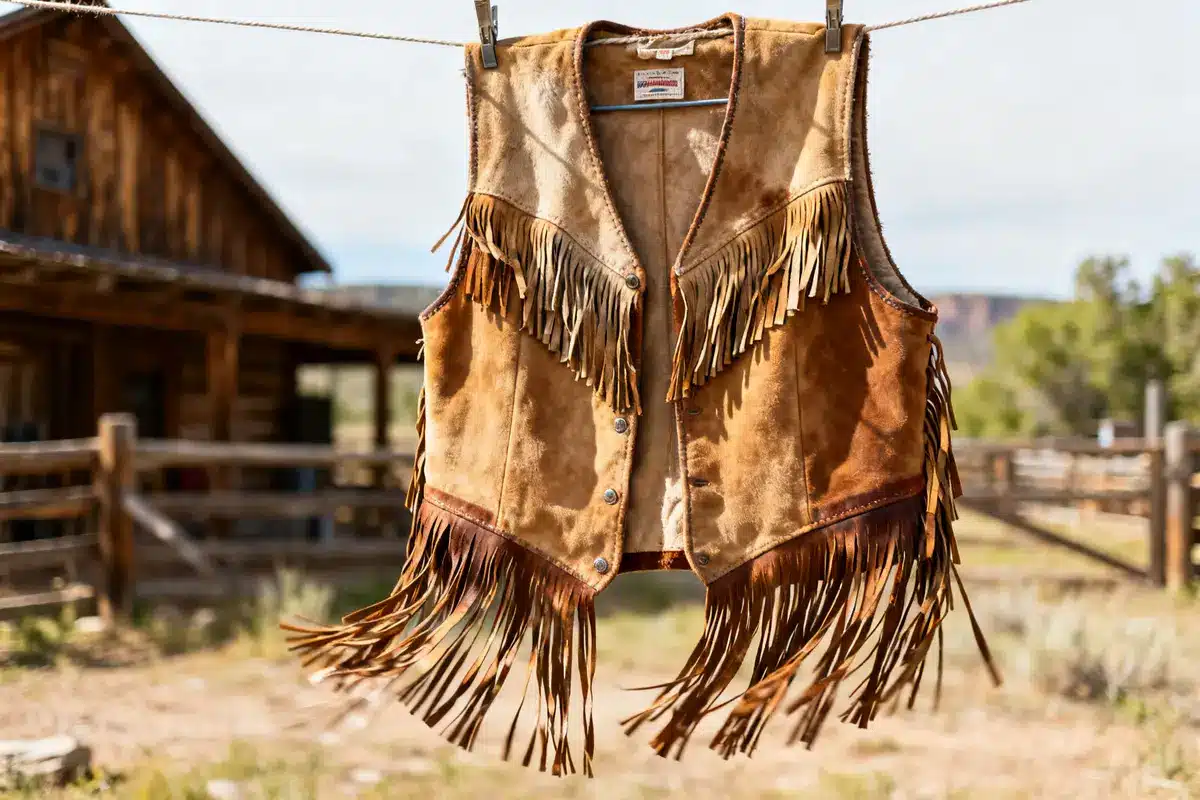
Fringe vest styles draw heavily from Western wear traditions, with practical origins in Native American water-shedding garments. The two primary silhouettes are short vests and long dusters, each serving distinct functional and aesthetic roles. Fabric choices typically include suede, leather, and faux suede, balancing durability and maintenance requirements.
Have you ever wondered why fringe vests maintain their cultural allure despite evolving fashion trends? The interplay between nostalgic Western motifs and modern casual wear creates a unique hybrid, blending durable materials and distinctive silhouettes. This enduring appeal emphasizes the importance of fabric and fringe detailing to achieve authentic texture and movement in outfits. Understanding these elements enables wearers to style fringe vests effectively for both practical and statement purposes, enhancing their wardrobe versatility.
Fringe Vest Styling Through the Ages
Origins of Fringe Vests in Western Wear
The fringe vest is deeply rooted in Western wear, originating from Native American and early frontier clothing traditions. The fringes were not just decorative but served a practical purpose as a water-shedding feature to help garments dry faster after rain. This practical use linked the fringe vest to rugged outdoor life and cowboy culture. Early settlers and cowboys adopted this style, which evolved into a symbolic piece of Western heritage. Over the decades, the fringe vest became popular beyond its utility, embodying the Western spirit and aesthetic.
Common Silhouettes: Short and Long Dusters
Fringe vests typically appear in two main silhouettes: short vests and long dusters. Short vests usually hit around the waist or hips, offering a versatile look that pairs well with jeans and casual wear. On the other hand, long dusters extend down toward the knees or calves, creating a dramatic, flowing effect when walking or riding. These dusters often feature heavier fringe length and can include additional detailing like studs or embroidery. Both shapes maintain the iconic Western vibe but serve distinct styling purposes depending on the occasion.
Shorter vests often enhance mobility and layering, while long dusters add flair and are perfect for statement looks at country concerts or rodeos.
Fabric Choices: Suede, Leather, Faux Suede
The most common fabric choices for fringe vests are suede, leather, and faux suede. Genuine suede offers softness and breathability but requires careful maintenance to avoid stains and water damage. Leather provides durability and can last for years when properly cared for, often developing a beautiful patina with age. Faux suede offers an affordable and animal-friendly alternative, though it is generally less durable and can be more sensitive to wear and tear.
When choosing a fringe vest, consider how often you’ll wear it and the level of care you can commit to. Genuine suede requires specialized cleaning but holds its shape well, while faux suede is easier to wash but prone to fringe matting if not stored correctly.
Western Looks: Fringe Vest in Denim and Suede
Western style is synonymous with rugged denim and supple suede. Pairing a fringe vest with denim jeans or a denim shirt instantly adds texture and movement to your outfit. Suede vests in earthy tones like tan, brown, and cream are staples in cowboy wardrobes, perfect for layering over button-downs or flannel shirts.
For an authentic Western look, combine your vest with boots, a wide-brimmed hat, and belt with a statement buckle. Denim jackets under fringe vests also create a layered, tactile look that is both practical and stylish. The playful sway of the fringe complements the stiff denim fabric, visually balancing the outfit.
For women, wearing suede fringe vests over simple tees or plaid blouses can turn a basic outfit into one with Western flair in moments. Men’s options often lean toward leather fringe vests, which offer a tougher, more classic cowboy edge.
Author’s Note
« Choosing the right fringe vest depends on balancing authenticity with comfort; genuine suede offers timeless style but requires patience with care, while faux alternatives deliver ease with a bit less life span. »
Boho Layering for Maxi Dresses
The loose, flowing vibe of maxi dresses matches perfectly with the carefree spirit of the boho fringe vest. Lightweight suede or faux suede vests with delicate fringe details add an earthy, artistic touch, taking the look beyond simple layering to an expression of personality.
Try pairing a fringed vest with floral or paisley prints on maxi dresses to capture that spontaneous, festival-ready Bohemian aesthetic. The texture of the fringe adds depth to otherwise smooth fabrics and creates movement that complements the skirt’s flow.
Layer your fringe vest over dresses in neutral, warm tones to enhance a natural color palette, or choose bold vests with embroidered accents for a vivid statement. Mixing materials like suede with soft cotton or chiffon dresses maintains a balance of structure and softness key to boho style.
70s Hippie Revival: Fringe Details, Patterns, and Colors
The 1970s were the era of hippie fashion, and fringed clothing remains a distinctive hallmark of that time. Fringe vests from this period often showcase vibrant colors, bold patterns, and playful details that reflect the free-spirited culture. You’ll find patchwork designs, suede with painted motifs, and multicolor fringe combining to create eye-catching looks.
Alongside the traditional browns and tans, pop art foliage prints and bright reds or oranges make a fringe vest stand out while evoking the decade’s psychedelic influences. Pairing a 70s-style vest with bell-bottom jeans or flared pants completes the retro aura, making it perfect for themed parties or casual vintage fashion.
The hippie revival embraced natural fabrics and handcrafted elements, so look for fringe vests with embroidery, beading, or crochet details to authentically reflect that era’s artisanal spirit.
Shopping and Care Tips for Fringed Accessories
When shopping for a fringe vest, prioritize fabric quality and fringe length to ensure durability and style longevity. Suede and leather fringes generally hold their shape better than faux materials but require more upkeep. Check that the seams around the fringe are well sewn to prevent unraveling.
To maintain your fringe accessories, avoid machine washing or harsh cleaning chemicals. Instead, gently detangle fringes with a wide-tooth comb or your fingers after wearing to prevent matting and tangling. Store your fringe vest hanging straight in a breathable garment bag to keep the fringe free and flowing without creases.
For travel or long-term storage, rolling the vest with tissue paper can protect delicate fringe edges. Taking these small preservation steps helps your fringe vest remain vibrant and wearable for years.
- Gently comb fringe after use
- Store hanging or rolled with tissue paper
- Spot clean with mild products
- Avoid exposure to water and direct sunlight
🛍️ Fringe Vest Care Guide Calculator
Discover the best care routine for your fringe vest based on material type and usage frequency.
FAQ: fringe vest
What is the origin of the fringe vest?
The origin of the fringe vest lies in Western wear, drawing from Native American and early frontier clothing traditions. Fringes were practical for shedding water to help garments dry faster and became symbolic in cowboy culture. Over time, it evolved into an iconic piece of Western heritage.
What are the common silhouettes of fringe vests?
The common silhouettes of fringe vests include short vests that hit around the waist or hips for versatile casual wear, and long dusters that extend to the knees or calves for a dramatic effect. Short vests allow mobility and layering while long dusters are statement pieces suitable for Western events.
What fabric choices are available for fringe vests?
Fringe vests commonly come in suede, leather, and faux suede. Genuine suede is soft and breathable but needs careful upkeep. Leather is durable and ages well, while faux suede is an affordable, animal-friendly option but less durable and sensitive to wear and tear.
How should I care for my fringe vest?
Caring for a fringe vest involves avoiding machine washing and harsh chemicals. Gently comb fringes after use, store the vest hanging or rolled with tissue paper, and spot clean with mild products. Avoid water exposure and direct sunlight to keep the vest looking its best.
How can I style a fringe vest for a Western look?
To style a fringe vest for a Western look, pair it with denim jeans or a denim shirt and add boots, a wide-brimmed hat, and a belt with a statement buckle. Layering denim jackets under suede or leather vests enhances texture and offers an authentic cowboy-inspired outfit.
What are some tips for layering a fringe vest with maxi dresses?
Layer a lightweight suede or faux suede fringe vest over maxi dresses to add texture and movement. Pair with floral or paisley prints for a boho vibe, balancing the outfit with natural tones or bold embroidered vests to express a free-spirited, artistic style.

Jack Mercer is a writer with a passion for American culture and everyday style. After spending years exploring the country’s hidden gems and fashion scenes, he found his voice sharing stories that celebrate the authentic spirit of modern America. When he’s not writing, you’ll find him hunting for vintage denim or enjoying a good bourbon on his front porch.