A single seven-word phrase from a 1970s television commercial became so popular that Americans still quote it today. The line « i can’t believe i ate the whole thing » represents one of advertising’s greatest successes, where a simple message about overeating turned into a cultural phenomenon that connected with millions of viewers and remains part of everyday language more than five decades later.
Quick Summary
- The famous phrase originated in a 1972 Alka-Seltzer commercial featuring a character named Ralph who regretted overeating, earning CLIO Hall of Fame recognition for its effectiveness.
- The commercial’s success came from its relatable humor and honest portrayal of overindulgence that viewers recognized from their own experiences.
- A 2005 remake featuring characters from « Everyone Loves Raymond » introduced the iconic line to a new generation of audiences.
- The phrase evolved into a modern meme, appearing frequently on social media platforms where people use it to describe various forms of overindulgence.
- The campaign changed advertising strategy by proving that simple, emotionally resonant catchphrases create stronger consumer memory than complicated marketing slogans.
I can’t believe i ate the whole thing — a cultural moment in advertising
Some advertising lines stick around for decades, becoming part of everyday conversation. The phrase « I can’t believe I ate the whole thing » is one of those rare gems that jumped from a television commercial into American culture itself. This simple line about overeating and regret captured something universal that everyone could relate to.
The catchphrase first appeared in 1972 and quickly became one of the most recognized advertising lines in history. People quoted it at dinner tables, holiday gatherings, and anywhere someone might have indulged a bit too much. It wasn’t just about selling a product anymore. The line had become a shared cultural reference that connected people through humor and common experience.
What made this phrase so special was its honest simplicity. It captured the feeling of overindulgence in just seven words, making it easy to remember and fun to repeat. The commercial tapped into a relatable human moment that transcended the product being sold.
The Alka-Seltzer campaign that made it famous
Origins of the 1972 commercial and the Ralph character
The iconic commercial centered on a character named Ralph, a man suffering the consequences of eating too much. The 30-second spot showed Ralph in obvious discomfort, his face expressing the regret of overindulgence. Visual elements included bubbles around him on a red background, creating a memorable image that viewers couldn’t forget.
Ralph’s wife played a supporting role, offering the practical solution to his predicament. She suggested he take Alka-Seltzer to relieve both his indigestion and headache. This simple storyline mixed humor with product benefits, a combination that proved incredibly effective for the brand.
The commercial’s timing in 1972 was perfect. Americans were becoming more open to self-deprecating humor in advertising, moving away from stiff, formal product pitches. Ralph’s honest admission of overeating felt refreshing and real.
How the campaign promoted Alka-Seltzer and earned CLIO Hall of Fame
Alka-Seltzer had been around since 1931 as an effervescent antacid and pain reliever, but this campaign took the brand to new heights. The commercial became an instant hit, earning recognition with CLIO Hall of Fame status for its effectiveness and memorability. This prestigious honor confirmed what viewers already knew: the ad was something special.
The campaign worked because it didn’t just tell people to buy Alka-Seltzer. It created an entertaining story that made the product the natural solution to a common problem. The phrase « I can’t believe I ate the whole thing » perfectly set up the need for relief, making the product recommendation feel organic rather than pushy.
Sales impact aside, the commercial achieved something more valuable: it made Alka-Seltzer part of the conversation. People remembered the brand because they remembered Ralph and his memorable line. This kind of cultural penetration was exactly what advertisers dreamed about achieving.
Behind the production: creators, cast, and reception
The creative team behind this commercial understood the power of relatable storytelling. They crafted a scenario that millions of Americans had experienced themselves after Thanksgiving dinners, buffets, or late-night snacking sessions. The innovative storytelling approach in the early 1970s combined humor with a straightforward promotional message in a way that felt fresh.
The casting choices contributed significantly to the commercial’s success. Ralph looked like an everyday person, not a polished actor. This authenticity helped viewers see themselves in his predicament, making the commercial more effective than a slick, overly produced advertisement would have been.
Public reception was overwhelmingly positive. Viewers didn’t just tolerate the commercial during their favorite shows; they actually looked forward to seeing it. The ad became a topic of water cooler conversations, with people quoting the line and laughing about their own overeating experiences.
Author’s Note
« The most effective advertising doesn’t feel like selling; it feels like sharing a moment everyone understands, which is exactly why Ralph’s honest confession about overeating still resonates more than fifty years later. »
How the line endured: remakes, adaptations, and memes
The 2005 remake and cross-media appearances
The commercial got new life in 2005 when a remake was produced featuring characters from the popular sitcom « Everyone Loves Raymond. » Frank and Marie Barone, beloved characters from the show, stepped into the roles that Ralph and his wife had originated decades earlier. This remake broadened the appeal to a new generation of viewers who might not have seen the original.
The decision to use established sitcom characters was smart marketing. Fans of « Everyone Loves Raymond » already knew Frank’s tendency to overeat and Marie’s fussing nature. The pairing felt natural and brought fresh humor to the classic scenario while maintaining the spirit of the original.
Beyond the remake, the phrase appeared in various entertainment mediums over the years. Television shows referenced it, comedians worked it into their routines, and writers included it in scripts knowing audiences would immediately recognize the line.
Memetic life: quotes, memes, and social media references
Long before the internet age, « I can’t believe I ate the whole thing » was essentially a meme in traditional form. People repeated it, adapted it, and used it in contexts far beyond its original commercial purpose. When social media arrived, the phrase found new digital life.
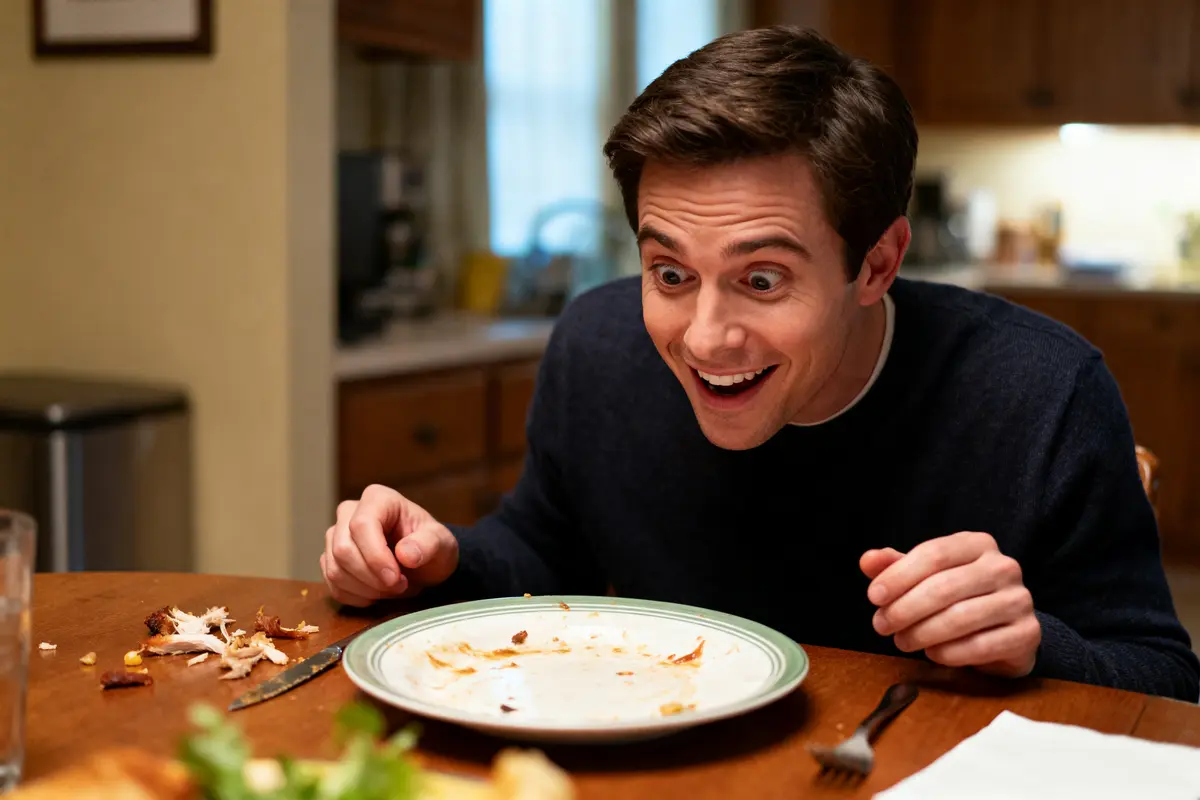
Today, the line appears regularly on social media platforms. People post it with photos of empty plates after big meals, use it in humorous food reviews, and include it in memes about holiday eating. The phrase has been adapted countless times, with variations like « I can’t believe I watched the whole series » or « I can’t believe I bought the whole collection. »
This memetic life cycle demonstrates the lasting power of the original commercial. The humor remains relevant because overeating is timeless. Whether someone is sharing a Thanksgiving dinner photo or posting about finishing an entire pizza, the phrase perfectly captures that mix of satisfaction and regret that comes with overindulgence.
The wider impact on advertising catchphrases and consumer memory
The success of « I can’t believe i ate the whole thing » changed how advertisers thought about catchphrases. It proved that a simple, honest line could achieve more lasting impact than complicated slogans or jingles. The commercial became a prime example studied in marketing classes as effective advertising that contributed to brand identity and consumer memory.
Advertising experts point to this campaign when discussing the power of relatability in marketing. The line worked because it acknowledged a common human weakness with humor rather than judgment. This approach created positive associations with the Alka-Seltzer brand that lasted far longer than the commercial’s initial run.
The phrase’s endurance also highlighted the importance of emotional connection in advertising. People didn’t remember the commercial because of special effects or celebrity endorsements. They remembered it because it captured a feeling they recognized from their own lives. That emotional resonance kept the phrase alive across generations.
Other brands took notice and tried to replicate this success with varying results. Creating a catchphrase that becomes part of the cultural vocabulary is rare and difficult. It requires the right combination of timing, simplicity, humor, and universal appeal that the Ralph commercial managed to achieve.
References and sources
The information presented in this article comes from documented advertising history, including the CLIO Hall of Fame recognition of the 1972 Alka-Seltzer commercial. Details about the original commercial, its storyline featuring Ralph and his wife, and the product’s founding in 1931 are well-established facts in advertising archives.
The 2005 remake featuring characters from « Everyone Loves Raymond » is documented in both advertising records and entertainment media coverage. The continued cultural impact of the phrase through memes, social media references, and popular culture appearances is observable across multiple platforms and media formats.
While specific viewership numbers and sales data from the original campaign period are not widely published, the commercial’s effectiveness is demonstrated through its CLIO Hall of Fame status and its lasting recognition in advertising history. The phrase continues to be referenced in various contexts, confirming its status as one of the most memorable advertising lines ever created.
FAQ
What is the origin of the phrase « I can’t believe I ate the whole thing »?
The origin of the phrase « I can’t believe I ate the whole thing » comes from a 1972 Alka-Seltzer ad where the character Ralph expresses regret after overeating. The catchy line quickly gained traction, becoming a well-known part of American culture and humor.
What is the transcript of the « I Can’t Believe I Ate the Whole Thing » commercial?
The transcript of the « I Can’t Believe I Ate the Whole Thing » commercial includes Ralph lamenting, « I can’t believe I ate that whole thing… » followed by his wife reassuring him and recommending Alka-Seltzer, showcasing the relatable moment of overindulgence.
Why is « I can’t believe I ate the whole thing » culturally significant?
« I can’t believe I ate the whole thing » is culturally significant because it encapsulates the universal experience of overeating. This phrase represents a humorous, shared moment in everyday life and has been referenced in various pop culture contexts, contributing to its lasting impact.
How did the Alka-Seltzer campaign promote the product effectively?
The Alka-Seltzer campaign promoted the product effectively through relatable storytelling. By portraying Ralph’s discomfort after overeating, the ad positioned Alka-Seltzer as the natural solution, making it memorable and appealing rather than just a straightforward sales pitch.
How has « I can’t believe I ate the whole thing » been adapted in modern media?
« I can’t believe I ate the whole thing » has been adapted in modern media through remakes, such as the 2005 version with « Everyone Loves Raymond » characters, and its frequent usage in social media posts and memes, illustrating its lasting relevance across generations.
What impact did the original commercial have on advertising catchphrases?
The original commercial had a significant impact on advertising catchphrases, demonstrating that simplicity and relatability could create lasting consumer memory. Its success encouraged advertisers to blend humor with genuine human experiences in future campaigns for effective brand connections.

Jack Mercer is a writer with a passion for American culture and everyday style. After spending years exploring the country’s hidden gems and fashion scenes, he found his voice sharing stories that celebrate the authentic spirit of modern America. When he’s not writing, you’ll find him hunting for vintage denim or enjoying a good bourbon on his front porch.