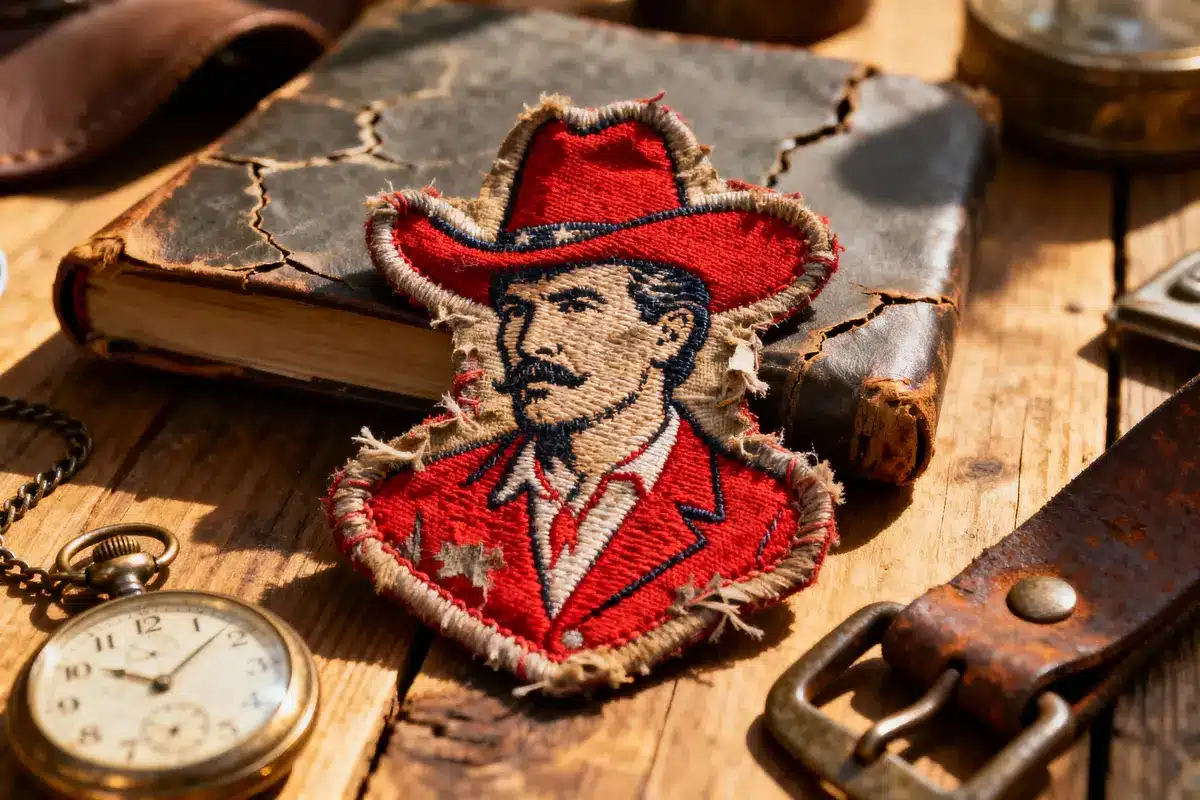
Small pieces of embroidered fabric can tell big stories about American culture and history. The red man patch represents a unique collecting hobby that brings together people who love vintage items, outdoor sports, and classic American brands. These patches decorated trucker hats, fishing vests, and jean jackets across several decades. Today, collectors search for these colorful reminders of the past, learning to spot real ones from fakes and understanding what makes certain designs valuable.
Quick Summary
- Red Man patches come in different types including tobacco-branded designs, fishing tournament editions, and trucker styles from the 70s through 90s
- Patch sizes range from small hat patches around 110mm to large 4-inch designs, with embroidered versions being most valuable to collectors
- Authentic vintage patches show tight stitching, age-appropriate fading, and heavier fabric backing, while reproductions often use synthetic materials and perfect colors
- Prices typically range from under €10 for common patches to over €50 for rare new old stock items in original condition
- Collectors can find patches through online marketplaces, antique shows, specialized vintage shops, and collector forums where trading and knowledge-sharing happen
Overview: Why Vintage Red Man Patches Matter to Collectors
Red Man Patch vs Red Man Chewing Tobacco Patch: Differences in Design
Vintage Red Man patches represent more than just pieces of fabric. They capture a slice of Americana nostalgia and tobacco history that many fans cherish. Collectors value these items because they connect to a bygone era when tobacco branding was bold and memorable.
The key difference between a general Red Man patch and a Red Man chewing tobacco patch lies in the design details. Red Man chewing tobacco patches typically feature the classic tobacco logo with the iconic Indian imagery that became synonymous with the brand. These patches often include text that explicitly references chewing tobacco or the Red Man brand name.
General Red Man patches might show similar imagery but without the tobacco-specific branding. Some patches focus purely on the Indian head design or Americana themes without direct ties to the product itself. This distinction matters when collectors evaluate authenticity and historical significance.
Iconography and Theme Variations Across Patches
The imagery on vintage Red Man patches spans various themes beyond tobacco. Fishing, trucking, and retro designs all appear across different patch styles from the 70s, 80s, and 90s. The « Tournament Trail » patches, for example, appeal to fishing enthusiasts and sports collectors.
Each theme variation tells a different story about how the brand connected with different audiences. Truckers wore patches on their caps and jackets as they crossed the country. Outdoorsmen displayed them on fishing vests and gear bags. These diverse iconography choices make collecting more interesting because each patch represents a unique slice of cultural history.
Colors, embroidery styles, and background patterns changed across production periods. Early patches from the 70s often feature simpler designs with fewer colors, while later versions incorporated more detailed embroidery work and complex color schemes.
Patch Types and Sizing: Hats, Iron-Ons, and Collectibles
Vintage Red Man patches come in several distinct types that collectors should understand. Iron-on, sew-on, and embroidered styles each have unique characteristics. Iron-on patches have a special backing that melts when heated, allowing them to stick to fabric. Sew-on patches require stitching around the edges to attach securely.
Embroidered patches represent the highest quality option. These patches feature raised thread designs that create texture and depth. The embroidery quality often determines value, with clear, detailed stitching commanding higher prices than simple printed designs.
Size matters significantly in the collector market. Small patches measure around 110mm x 71mm, perfect for caps and shirt pockets. Medium sizes work well on jacket sleeves and chest areas. Large patches stretch up to 4 inches or more, making bold statements on the back of jackets or vests.
Hat patches deserve special mention because they represent a specific collecting category. These smaller, often curved patches were designed specifically for trucker caps and baseball hats. Their compact size and specialized shape make them particularly appealing to collectors who focus on headwear memorabilia.
Tactical gear patches emerged in later production periods. These patches typically feature subdued colors and hook-and-loop backing systems. While less common than traditional styles, they attract collectors interested in military-style memorabilia and modern applications of vintage designs.
Author’s Note
« We find that patches with clear, detailed embroidery and minimal fading retain their value best over time, especially when stored away from direct sunlight. »
The red man patch Market: Rarity, Pricing, and Collecting Tips
Understanding rarity helps collectors make smart purchasing decisions. NOS (new old stock) patches from the 70s, 80s, and 90s command premium prices because they remain in original, unused condition. These patches often still have original packaging, tags, or backing materials that prove their age and authenticity.
Production period heavily influences rarity. Earlier patches from the 70s exist in smaller quantities simply because fewer survived decades of use and storage. Limited edition designs or those tied to specific promotional campaigns naturally become harder to find over time.
Pricing in the current market ranges widely based on condition and desirability. Common patches in average condition might sell for less than €10, while rare specimens can command prices exceeding €50 or more. Most collectible vintage patches fall between €13.99 and €20, with excellent condition examples pushing toward the higher end.
SKU numbers like FFI-1095 or AP069rM2 help collectors verify specific patch models. These identification codes connect patches to recognized manufacturers such as Flash Force Industries. Recording SKU numbers helps build a detailed collection inventory and confirms you’re purchasing genuine vintage items rather than recent reproductions.
Smart collecting starts with focusing on specific themes. Here are collecting strategies that work:
- Concentrate on tobacco-related logos if you want historical tobacco memorabilia
- Seek American-made patches with widespread vintage distribution for reliable authenticity
- Target discontinued designs that won’t return to production
- Join collector forums and community groups to learn about market trends
- Store patches in protective sleeves away from excessive sunlight to maintain condition
Condition determines value as much as rarity does. Patches with minimal repairs, strong colors, and intact edges fetch higher prices. Even vintage items should show age-appropriate wear rather than damage from neglect or poor storage.
Authenticity and Safety: How to Avoid Fakes
Distinguishing authentic vintage patches from modern reproductions requires careful examination. High-quality embroidery serves as the first indicator. Genuine vintage patches feature tight, even stitching with no loose threads or gaps in the pattern. The thread should feel substantial, not thin or flimsy.
Printing quality reveals a lot about authenticity. Original patches have sharp, clear graphics without blurry edges or pixelation. Colors should appear vibrant yet slightly faded in ways consistent with natural aging. Bright, perfect colors on supposedly vintage items often signal modern reproductions.
Logo accuracy matters tremendously. Compare suspected patches with verified authentic examples from reputable sources. Check that sizing, proportions, and small details match original designs. Counterfeiters often get subtle elements wrong, like font styles or the exact shade of red used in the logo.
Fabric texture provides important clues about age. Vintage patches typically use heavier twill or canvas backing that feels substantial. The fabric should show slight wear patterns, minor discoloration, or texture changes consistent with decades of storage. Modern reproductions often use newer synthetic materials that feel different to the touch.
Backing material examination helps spot fakes. Original iron-on patches have a specific type of adhesive backing that yellows with age. Modern heat-transfer materials look and feel different. Sew-on patches should show needle holes or slight fraying around edges if they were previously attached to garments.
Provenance verification through seller information adds confidence to purchases. Reputable sellers provide detailed images showing front, back, and close-up views of stitching. They share information about where and when they acquired items. SKU references and brand labels should be clearly visible in listing photos.
We recommend comparing multiple examples before making significant purchases. Study authentic patches at collector shows, in reference books, or through trusted online communities. Building knowledge about what genuine patches look like protects you from expensive mistakes.
Where to Find and How to Start Your Collection
Trusted online marketplaces offer the widest selection of vintage Red Man patches. Sites specializing in collectibles and memorabilia typically verify seller reputations and provide buyer protection. Look for sellers with positive feedback histories and detailed item descriptions that include measurements and condition notes.
Specialized vintage shops and military gear stores carry patches alongside other collectible items. These physical retail locations allow hands-on examination before purchase. Shop owners often have knowledge about patch history and can answer questions about authenticity and value.
Collector forums create opportunities for trading and learning. Online communities dedicated to tobacco memorabilia or vintage patches connect enthusiasts worldwide. Members share knowledge about rare finds, market prices, and authentication techniques. Many collectors discover their best pieces through forum trading and sales rather than commercial channels.
Antique shows and flea markets yield unexpected discoveries. Vendors at these events sometimes have vintage patches without realizing their collector value. Careful searching through boxes of old patches can uncover rare examples at reasonable prices. Bringing a smartphone to research unfamiliar patches helps identify valuable finds on the spot.
Starting your collection requires some planning. Set a budget that allows for gradual growth without financial strain. Decide whether you want to focus on specific themes, time periods, or patch types. Focused collections often prove more satisfying and valuable than random accumulations.
Research the historical context of patches you’re considering. Understanding when and why certain designs were produced adds meaning to your collection. Learning about the tobacco industry’s marketing history, regional distribution patterns, or tie-ins with sporting events enriches the collecting experience.
Proper storage protects your investment. Keep patches in acid-free sleeves or archival-quality storage boxes. Avoid displaying patches in direct sunlight, which fades colors over time. Climate-controlled storage prevents moisture damage and fabric deterioration. Well-maintained patches retain their value and can be enjoyed for decades.
Network with other collectors to expand your knowledge and opportunities. Attend collector shows, join social media groups, and participate in online discussions. Experienced collectors often help newcomers learn authentication skills and point them toward reliable sources for additions to their collections.
Frequently Asked Questions
What is the Red Man patch?
The Red Man patch is a vintage collectible item, often related to the Red Man chewing tobacco brand. These patches are valued for their nostalgic connection to tobacco history, featuring designs that typically include iconic imagery along with brand-specific text, appealing to collectors.
Does Red Man give you a buzz?
Red Man, as a chewing tobacco product, can produce a buzz due to its nicotine content. Users may experience a stimulating effect after consumption, which is a common reaction to tobacco products. However, individual experiences may vary based on personal tolerance and usage.
Does Red Man still exist?
Yes, Red Man still exists as a brand of chewing tobacco. It remains available in various forms, continuing its legacy in the tobacco industry while also being part of vintage memorabilia that collectors seek. Its ongoing production maintains its presence in the market.
What patches do Navy SEALs wear?
Navy SEALs typically wear patches that signify their unit or achievements. This includes the SEAL Trident, unit insignias, and deployments patches. These items are often worn on uniforms or tactical gear, reflecting the pride and history of their service.
What is Red Man Syndrome?
Red Man Syndrome is an anaphylactoid reaction triggered by rapid intravenous infusion of vancomycin. Symptoms include flushing and burning sensations, primarily affecting the face and upper body. It’s not a true allergy but a reaction involving mast cell degranulation and histamine release.
What causes Red Man Syndrome?
Red Man Syndrome is caused primarily by rapid vancomycin infusion, leading to high plasma concentrations. The reaction can occur even with the first dose and is characterized by symptoms like flushing and hypotension. Other medications may occasionally produce similar reactions.
How can I start my collection of Red Man patches?
Starting your collection of Red Man patches involves researching and setting a budget for purchases. Focus on specific themes or periods, and explore trusted online marketplaces and collector forums to connect with sellers. Knowledge of authenticity is crucial for valuable finds.

Jack Mercer is a writer with a passion for American culture and everyday style. After spending years exploring the country’s hidden gems and fashion scenes, he found his voice sharing stories that celebrate the authentic spirit of modern America. When he’s not writing, you’ll find him hunting for vintage denim or enjoying a good bourbon on his front porch.